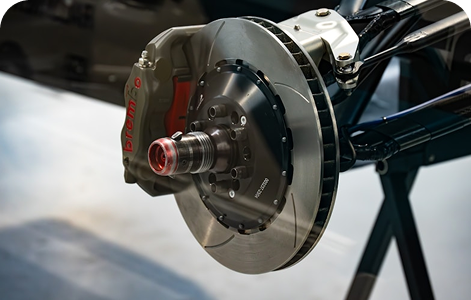
Your vehicle’s braking system is one of its most critical safety features. Every time you press the brake pedal, you rely on your brakes to bring your vehicle to a safe and controlled stop. While modern braking systems are designed to be durable and reliable, they still experience wear over time and require regular maintenance.
Unfortunately, many drivers ignore the early warning signs of brake problems until performance becomes noticeably worse—or worse still, until a dangerous situation arises. Recognising these symptoms early can help prevent costly repairs and keep you, your passengers, and other road users safe.
At Burridge Auto Services, we provide professional brake inspections, brake pad replacements, brake disc repairs, and complete braking system diagnostics. In this guide, we’ll explain the five most common warning signs that indicate your brakes need immediate attention.
Why Healthy Brakes Are So Important
Your brakes do much more than simply stop your vehicle. They help you maintain control in emergencies, improve stability, and reduce stopping distances in all driving conditions.
A well-maintained braking system offers:
- Reliable stopping power
- Improved road safety
- Better vehicle control
- Reduced wear on other braking components
- Greater confidence behind the wheel
Ignoring brake issues can increase stopping distances and put unnecessary strain on other parts of the braking system, often resulting in more expensive repairs.
1. Squealing or Grinding Noises
One of the earliest signs that your brakes require attention is unusual noise.
Many brake pads include a small wear indicator that produces a high-pitched squealing sound once the pads have worn down. This acts as an early warning that replacement is needed.
If the squealing develops into a grinding noise, the brake pads may have worn away completely, allowing metal components to contact the brake discs. This can quickly damage the discs and significantly increase repair costs.
Any unusual brake noise should be inspected as soon as possible.
2. Your Vehicle Takes Longer to Stop
Have you noticed that your car doesn’t stop as quickly as it used to?
An increase in stopping distance is one of the most serious warning signs of brake wear.
Several issues can contribute to reduced braking performance, including:
- Worn brake pads
- Worn brake discs
- Low brake fluid
- Brake caliper problems
- Air within the braking system
If you find yourself pressing the brake pedal harder than normal or needing more distance to stop, arrange a professional brake inspection immediately.
3. Vibrations When Braking
A vibrating brake pedal or steering wheel when slowing down often indicates that something isn’t quite right.
Common causes include:
- Warped brake discs
- Uneven disc wear
- Brake component damage
- Suspension-related issues
Although slight vibration may seem minor at first, it often becomes progressively worse if ignored.
Professional diagnosis can identify the underlying cause before additional components are affected.
4. Brake Warning Light on the Dashboard
Modern vehicles continuously monitor the braking system using electronic sensors.
If the brake warning light appears on your dashboard, your vehicle is telling you that something requires attention.
Possible causes include:
- Worn brake pads
- Low brake fluid
- ABS faults
- Electronic braking system issues
- Hydraulic faults
Dashboard warning lights should never be ignored, even if the vehicle still appears to brake normally.
5. A Soft or Spongy Brake Pedal
Your brake pedal should always feel firm and responsive.
If it suddenly feels soft, spongy, or sinks further than normal when pressed, there may be an issue within the hydraulic braking system.
Potential causes include:
- Air trapped in brake lines
- Brake fluid leaks
- Worn master cylinder
- Hydraulic component failure
A soft brake pedal can significantly reduce braking performance and should be inspected immediately.
Other Warning Signs to Watch For
In addition to the five main symptoms above, other signs may indicate your brakes require professional attention.
These include:
- Vehicle pulling to one side when braking
- Burning smell after braking
- Excessive brake dust
- Knocking or clunking noises
- Reduced braking confidence
- Brake pedal pulsation
- Fluid leaks near the wheels
- Uneven tyre wear caused by brake drag
If any of these symptoms appear, it’s always worth having your vehicle inspected by experienced technicians.
How Often Should Brakes Be Checked?
Although brake pads and discs naturally wear over time, regular inspections help ensure problems are identified before they become serious.
It’s recommended to have your brakes inspected:
- During every routine service
- Before long journeys
- Before an MOT if you’re concerned
- Whenever warning signs appear
- If your vehicle has covered high mileage
Regular inspections can often identify minor wear before major repairs become necessary.
Why Professional Brake Inspections Matter
Modern braking systems are far more advanced than many drivers realise.
A professional brake inspection allows technicians to assess:
- Brake pad thickness
- Brake disc condition
- Brake fluid quality
- Brake caliper operation
- Hydraulic system performance
- ABS components
- Brake lines and hoses
At Burridge Auto Services, we use professional equipment to thoroughly inspect your braking system and provide honest recommendations based on your vehicle’s condition.
Frequently Asked Questions
How long do brake pads usually last?
Brake pad lifespan varies depending on driving style and conditions, but many last between 25,000 and 50,000 miles.
Is it safe to drive with squealing brakes?
Squealing often indicates worn brake pads. Although the vehicle may still be driveable, it’s advisable to arrange an inspection as soon as possible.
Why does my steering wheel shake when braking?
This commonly indicates warped brake discs, although suspension or steering components may also contribute.
Can low brake fluid affect braking performance?
Yes. Low brake fluid can reduce braking efficiency and should always be investigated promptly.
Do you repair brakes on all vehicle makes?
Yes. Burridge Auto Services provides professional brake inspections and repairs for most petrol, diesel, hybrid, and many modern vehicles.
Book Your Brake Inspection Today
Your brakes are too important to ignore. If you’ve noticed unusual noises, vibrations, warning lights, or reduced braking performance, Burridge Auto Services is here to help.
Our experienced technicians provide professional brake inspections, accurate diagnostics, and high-quality repairs to keep your vehicle safe and performing at its best.
Contact Burridge Auto Services today to book your brake inspection and drive with complete confidence.

